Meet Telemachus: The Boy Who Feels Too Much
He hears the dreams of 108 frozen souls. He barely remembers his mother. And his father might not be the hero everyone thinks. Meet Telemachus Theron.

The weight of other people's dreams
Imagine you're seven years old. Your father grabs you from a ceremony you don't understand, drags you through corridors full of alarms and smoke, and shoves you into a ship. Behind you, something bright and terrible happens to a being the size of a moon.
You don't understand any of it.
Then 108 people who helped you escape fall silent. Not dead. Worse. Frozen in glass pods, dreaming dreams they can't wake from. And you - because the gods' radiation touched you before you were even born - can hear every single one of those dreams.
Every night. Every scream. Every whispered name of someone they'll never see again.
That's Telemachus Theron's childhood.
The empathic interface
It's not metaphorical. Telemachus doesn't just "sense" emotions the way people talk about intuition. He feels them. Physically. The crew's grief sits in his chest like pressure. Their fear tastes metallic. Their hope - the thin, stubborn kind that won't die - burns behind his eyes.
The ability came from exposure to god-tech radiation while still in his mother's womb. Penelope was present at an Olympus ceremony. The energy left traces in her unborn son's neural pathways.
Nobody knew until the curse hit.
When the 108 fell into data suspension, Telemachus collapsed. Seven years old, screaming on the floor of the bridge, because 108 minds had just gone silent and he felt every one of them vanish.
They didn't vanish entirely, though. They dream. And he hears it.
Growing up on the Odyssey
Telemachus is 17 when the trilogy begins. Ten years aboard a ship that's held together with patches and stubbornness. Ten years of hearing frozen people dream.
He barely remembers Ithaca Station. Barely remembers his mother's face - just her voice, singing something he can't quite place. His entire world is the Odyssey: grey corridors, recycled air, and a father who loves him but can't look at him without seeing what that love cost.
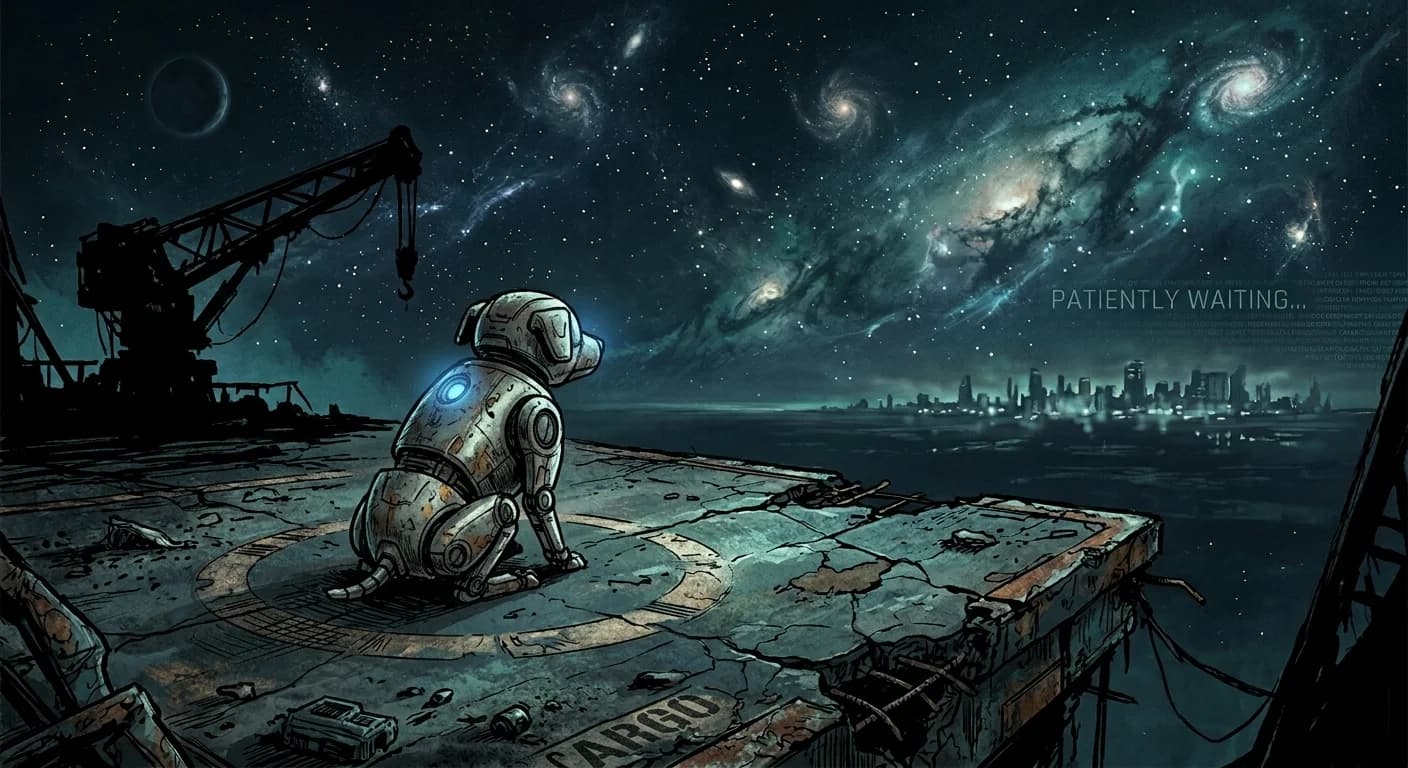
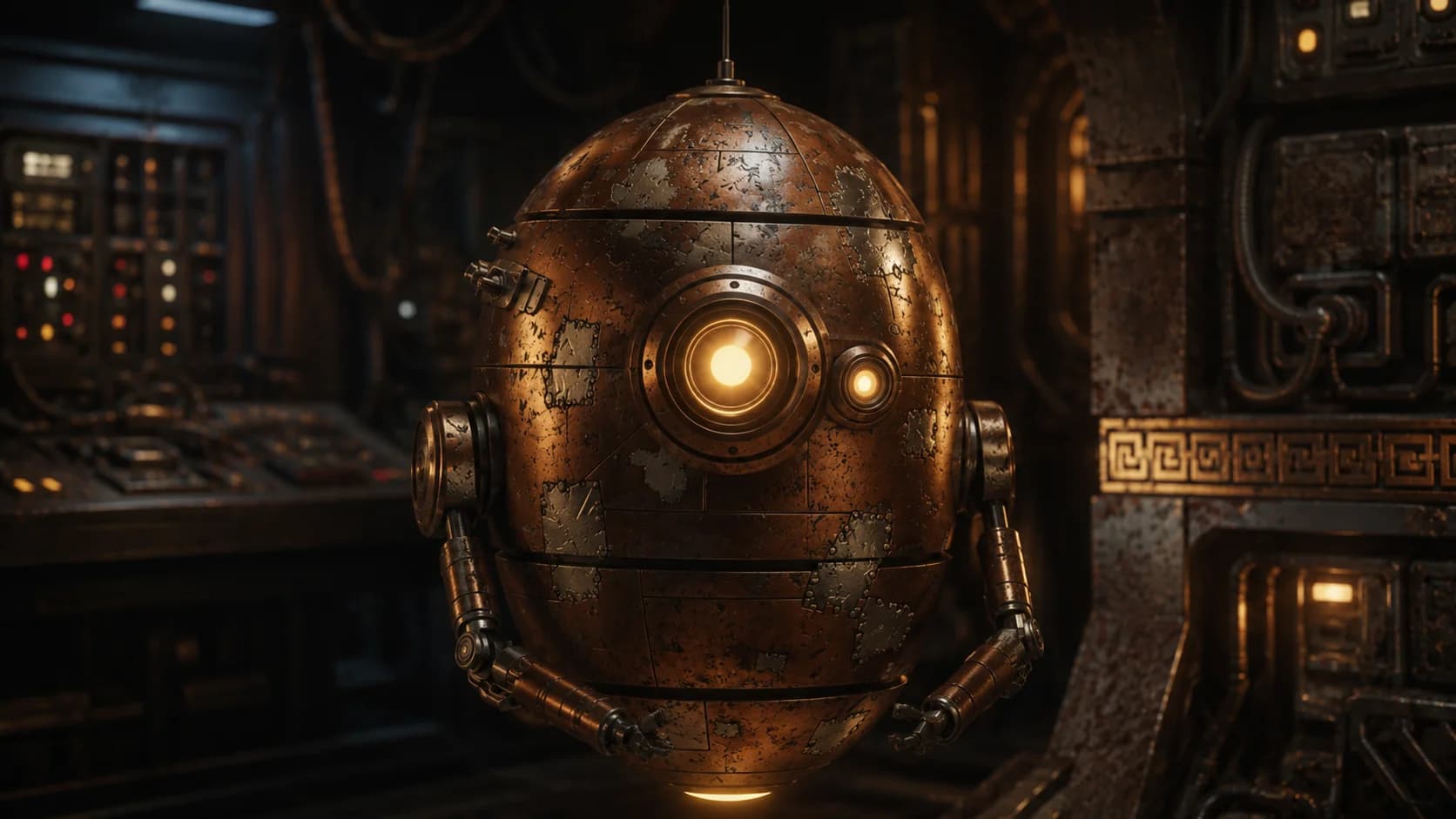
His best friend is a robot. His education came from ship databases. His social skills are... limited.
But here's what makes Telemachus interesting. He isn't bitter. He could be. He has every right to be. A stolen childhood, a curse that isn't his, a gift that feels like punishment.
Instead, he's kind.
Aggressively, stubbornly kind. The type of kindness that comes from knowing exactly how much pain the universe contains and deciding to fight it anyway.
The dreamer's dilemma
The central question of Telemachus's story is one that doesn't have a clean answer: is his ability a gift or a curse?
The 108 dream in their pods. Without Telemachus, they'd dream alone - trapped in loops of memory and fear, slowly losing themselves to the data suspension. But because he can reach them, he enters the virtual dreamscape. Talks to them. Reminds them who they are. Keeps them sane.
It's destroying him.
Every session in the dreamscape costs energy he doesn't have. His father doesn't fully understand what it takes. The crew - what's left of them - sees a teenager who naps too much and seems distracted.
They don't know he spent last night holding the hand of a frozen engineer who forgot her daughter's name.
Father and son
The relationship between Ulysses and Telemachus is the heart of the trilogy. It's complicated. It's messy. It's real.
Ulysses loves his son with a ferocity that frightens them both. But he also feels guilty every time he looks at him. He took Telemachus from his mother, from his home, from any chance of a normal life.
Telemachus loves his father and resents him in equal measure. He understands why Ulysses did what he did. He also knows that understanding doesn't make the loneliness smaller.
They circle each other. Two people who'd die for each other but can't quite figure out how to talk to each other.
(Sound familiar? Fathers and sons. Some things don't change, even in space.)
Blue and silver
When you see Telemachus, you'll notice the blue and silver palette. It wasn't random. Blue for the dreamscape he walks through. Silver for the frost on the pods he tends.
He's 17. He looks younger - the dreamscape takes a physical toll. Dark circles under his eyes. Thin frame. The kind of exhaustion that sleep doesn't fix because his sleep isn't restful.
But when he smiles - rare, usually at something Echo said - you see the kid underneath. The one who might've had a normal life. Who might've played sports and argued about music and had a first crush that didn't involve a frozen crew member's fading memory.
That kid is still in there. The trilogy is partly about whether he gets to come out.
Why he matters
It's easy to forget that the Ulysses Universe is a father-son story. The gods and ships and politics are the stage. The relationship between Ulysses and Telemachus is the play.
Telemachus carries something his father can't: the voices of everyone they left behind. The 108 aren't abstract numbers to him. They're people. He knows their names, their fears, their fading memories of children growing up without them.
He's the conscience of the Odyssey. The reason Ulysses can't just fight his way home and damn the consequences. Because his son would feel every casualty. Would carry every death. Would bear the weight of every wrong choice.
Telemachus Theron didn't ask for any of this. None of them did.
But he's the one who makes sure nobody forgets what they're fighting for.
Key takeaways
- Telemachus Theron is 17, son of Ulysses and Penelope, who can physically feel the emotions and dreams of the 108 crew frozen in data suspension.
- His empathic abilities came from exposure to god-tech radiation while still in his mother's womb during an Olympus ceremony.
- He enters the virtual dreamscape to keep the frozen crew sane, but the sessions are physically destroying him.
- His relationship with his father Ulysses - built on fierce love, guilt, and resentment - is the emotional heart of the trilogy.
- Despite every reason to be bitter, Telemachus is aggressively, stubbornly kind - the conscience of the Odyssey.